


Sleep apnea, particularly obstructive sleep apnea (OSA), is a condition where breathing is repeatedly interrupted during sleep. These interruptions can cause drops in oxygen levels, which can put a strain on your heart and may contribute to chest pain.
Here, we’ll explore whether sleep apnea causes chest pain, why some people experience discomfort, and how poor sleep habits can amplify these symptoms. We’ll also cover when it’s time to consult a healthcare provider for proper diagnosis and treatment.
How Sleep Apnea Affects Heart Health and Can Lead to Chest Pain
Sleep apnea, especially obstructive sleep apnea (OSA), has a profound impact on the cardiovascular system. When your breathing stops temporarily during sleep, oxygen levels drop, and this repeated interruption puts immense strain on the heart. Over time, this can lead to heart disease and chest pain.
How exactly does this happen?
- During an apnea event, when breathing stops, oxygen levels fall, causing your heart to pump faster to compensate for the lack of oxygen in the bloodstream.
- The repeated cycles of hypoxia (low oxygen) and sudden surges in blood pressure can contribute to heart strain and increased heart rate, which may be felt as chest tightness or discomfort.
- These symptoms are often more noticeable in the morning, right after waking up, when the body is adjusting from a night of disrupted breathing.
Studies estimate that 22 million Americans suffer from sleep apnea, but only 20% of those cases are diagnosed, leaving many individuals unaware of their condition.
This is why people with untreated or severe sleep apnea may experience chest pain in the morning, often accompanied by feelings of fatigue, shortness of breath, or palpitations.
Can Lack of Sleep Cause Chest Pain?
While sleep apnea is a well-known cause of chest discomfort, lack of sleep, even without full-blown sleep apnea, can also contribute to chest pain. Poor or insufficient sleep affects the body in several ways, many of which can lead to cardiovascular stress and chest pain.
Here’s how inadequate sleep can trigger discomfort in your chest:
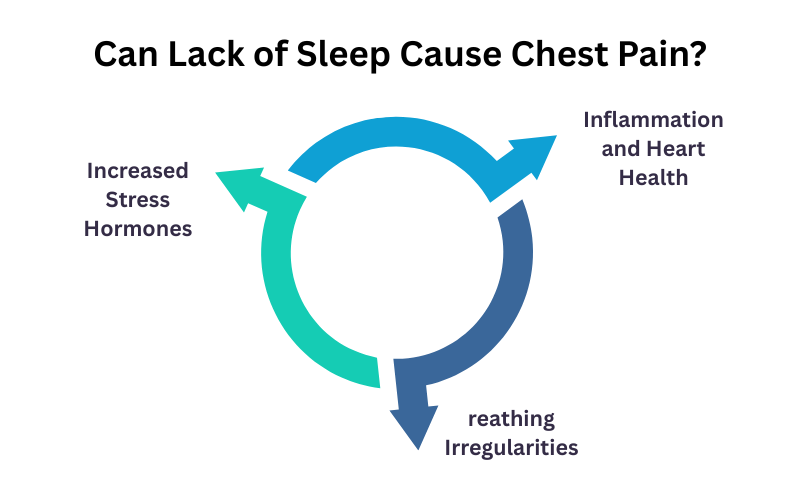
- Increased Stress Hormones: Lack of sleep elevates cortisol levels, the body’s primary stress hormone. Higher cortisol levels increase blood pressure, heart rate, and put strain on the cardiovascular system, potentially resulting in chest tightness or discomfort.
- Inflammation and Heart Health: Sleep deprivation leads to systemic inflammation, which can damage blood vessels, raising the risk of heart-related issues and contributing to chest pain.
- Breathing Irregularities: Insufficient sleep can also interfere with regular breathing patterns, causing shallow breathing that may result in tightness or pressure in the chest, even if sleep apnea is not present.
According to the World Health Organization (WHO), over 35% of the global population suffers from insufficient sleep. Chronic sleep deprivation can lead to heart problems and increase the likelihood of developing heart disease by up to 25%.
In short, whether it’s sleep apnea or just lack of sleep, both can lead to chest pain. Addressing sleep quality is critical for heart health, and if you regularly experience chest discomfort, it’s important to evaluate your sleep patterns and consult a healthcare provider
How Sleep Disorder Treatment Can Help
If you’re struggling with sleep apnea or sleep deprivation, seeking sleep disorder treatment is essential for both your heart health and overall well-being. Sleep apnea treatment, like CPAP therapy, helps maintain an open airway during sleep, reducing the strain on your heart and minimizing symptoms like chest pain.
Moreover, improving sleep quality through lifestyle changes such as maintaining a consistent sleep schedule, managing stress, and practicing good sleep hygiene can significantly reduce the risk of cardiovascular issues linked to poor sleep.
A sleep study can help determine if you have sleep apnea or another sleep disorder. Once diagnosed, a healthcare provider can recommend a treatment plan tailored to your needs, which may include:
- CPAP Therapy: Continuous Positive Airway Pressure (CPAP) therapy is the most common and effective treatment for sleep apnea. It helps keep your airways open during sleep, preventing the interruptions that lead to chest pain and heart strain.
- Lifestyle Changes: Losing weight, avoiding alcohol or sedatives before bed, and sleeping on your side can also help improve sleep quality and reduce symptoms.
- Medications: In some cases, medications may be prescribed to treat sleep apnea or related conditions like anxiety or high blood pressure.
When to Seek Medical Help for Chest Pain and Sleep Apnea
While chest pain associated with sleep apnea or lack of sleep may not always be serious, it’s essential to know when to seek medical attention. Chest pain can be a symptom of more severe health conditions, so it’s crucial to listen to your body and act promptly when necessary.
Here’s when you should consult a healthcare provider:
If chest pain is persistent:
If you experience ongoing or recurring chest pain, even if it’s mild, it’s essential to get it checked by a healthcare professional.
If pain is accompanied by other symptoms:
If your chest pain is accompanied by shortness of breath, dizziness, nausea, or pain radiating to your arm or jaw, seek emergency medical care immediately. These could be signs of a heart attack or another serious condition.
Prioritize Your Sleep and Heart Health
If you’re experiencing chest tightness or other symptoms related to sleep disruptions, it’s crucial to seek professional help. Sleep disorder treatment can significantly improve your quality of sleep, reduce the strain on your heart, and prevent further complications.
Don’t ignore the signs. Consult a healthcare provider to explore treatment options like CPAP therapy and lifestyle changes to manage your sleep apnea and protect your heart health.