

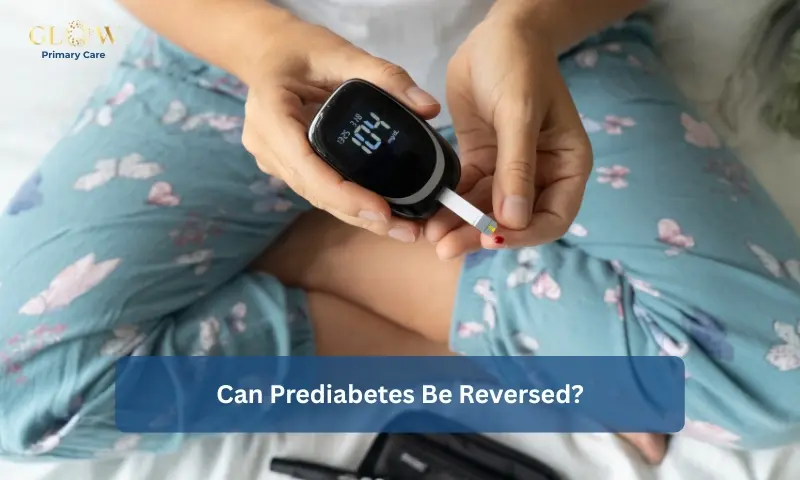
You just got your blood test results. Your doctor says your blood sugar is higher than normal. But not high enough to call it diabetes. That diagnosis is called prediabetes.
It sounds scary. Many people hear the word and panic. They worry they are already on a path to diabetes. They ask the same question: Can prediabetes be reversed? The short answer is yes.
In this blog, we will explain what prediabetes is, why it happens, and most importantly, how to reverse it before you ever need diabetes treatment.
What Is Prediabetes?
Prediabetes is a health condition where your blood sugar levels are higher than normal. But they are not high enough to be classified as type 2 diabetes. Think of it as a yellow traffic light. It is not red yet. But it is warning you to slow down and pay attention.
Your body uses a hormone called insulin to move sugar from your blood into your cells. Your cells use that sugar for energy. When you have prediabetes, your cells stop responding to insulin as well as they should. This is called insulin resistance.
Because your cells are not responding, sugar stays in your blood. Your pancreas tries to make more insulin to force the sugar into your cells. Over time, your pancreas gets tired. It cannot keep up. Your blood sugar stays high.
That is how prediabetes turns into type 2 diabetes.
How Common Is Prediabetes?
Prediabetes is more common than you think.
- More than 1 in 3 American adults have prediabetes
- Most of them do not even know it
The scary part? Prediabetes often has no obvious symptoms. You can have it for years without knowing.
What Are the Risk Factors?
Some things make prediabetes more likely. These include:
- Being overweight or obese
- Having a family history of diabetes
- Being physically inactive
- Being over the age of 45
- Having high blood pressure
- Having a history of gestational diabetes
If any of these apply to you, it is worth getting your blood sugar checked.
Can Prediabetes Really Be Reversed?
Yes. Prediabetes is reversible. This is not a guess. It is backed by science.
The key to reversal is lifestyle change. You do not need expensive medication or complicated treatments. You need to make changes to how you eat, how you move, and how you manage your weight.
What Does Reversal Mean?
Reversal means bringing your blood sugar back down to a normal range. When your blood sugar levels are normal, you are no longer in the prediabetes zone.
Your risk of developing type 2 diabetes drops significantly.
The Evidence Is Strong
The Diabetes Prevention Program was a major study. It followed thousands of people with prediabetes. The results were powerful.
People who made lifestyle changes reduced their risk of developing type 2 diabetes by 58%. For people over 60, the risk dropped by 71%. That is a huge difference. The study did not use drugs. It used diet, exercise, and weight loss.
The Two Simple Steps That Work
1. Lose Some Weight
You do not need to lose a dramatic amount of weight. A loss of just 5% to 7% of your body weight makes a big difference.
For someone who weighs 200 pounds, that is only 10 to 14 pounds. This small change can reverse prediabetes and stop it from progressing.
2. Move Your Body
Physical activity helps your cells use insulin better. You do not need to run a marathon. Walking 30 minutes a day, five days a week, is enough.
Prediabetes Self-Care: Steps You Can Take Today
Reversing prediabetes is not about perfection. It is about progress. Small, consistent changes add up over time.
Here are practical steps you can start today.
1. Change What You Eat
Food is medicine. The right foods help control your blood sugar.
What to eat more of:
- Vegetables (especially leafy greens like spinach and kale)
- Whole grains (brown rice, oats, quinoa)
- Lean proteins (chicken, fish, beans, tofu)
- Healthy fats (avocado, nuts, olive oil)
- Fiber-rich foods (fruits, vegetables, whole grains)
What to eat less of:
- Sugary drinks (soda, sweetened teas, fruit juice)
- Refined carbohydrates (white bread, white rice, pastries)
- Processed snacks (chips, cookies, crackers)
- Fried foods
The sugar you drink matters most. Liquid sugar enters your bloodstream quickly. It causes a fast spike in blood sugar. Replacing soda with water is a powerful first step.
2. Get Moving
Exercise helps your body use insulin better. It lowers your blood sugar.
You do not need a gym membership. You can:
- Take a 15-minute walk after each meal
- Use stairs instead of elevators
- Park farther away from store entrances
- Do bodyweight exercises at home (squats, push-ups, lunges)
Aim for at least 30 minutes of activity, 5 days a week. That is only 2.5 hours total. You can break it into smaller chunks. Ten minutes here, ten minutes there. Every minute counts.
3. Pay Attention to Portion Sizes
Eating the right food is important. Eating the right amount is just as important.
Portion control helps you manage calories and blood sugar. Use these simple tricks:
- Use a smaller plate
- Fill half your plate with vegetables
- Eat slowly and stop when you are 80% full
- Drink water before meals to feel fuller
4. Manage Stress
Stress raises your blood sugar. When you are stressed, your body releases hormones that increase glucose.
Find ways to lower your stress:
- Take deep breaths
- Go for a walk
- Spend time with loved ones
- Practice a hobby you enjoy
5. Get Enough Sleep
Sleep affects your blood sugar too. Poor sleep makes your body less sensitive to insulin.
Aim for 7 to 8 hours of quality sleep each night. Create a relaxing bedtime routine. Avoid screens for 30 minutes before bed. Keep your bedroom cool and dark.
When to See a Doctor for Prediabetes
Self-care is powerful. But you do not have to do it alone. A doctor can help you understand your numbers. They can create a plan that fits your life. They can monitor your progress and make adjustments when needed.
Signs You Should Get Tested
You should see a doctor if you have any of these risk factors:
- You are over 45 years old
- You are overweight
- You have a family history of diabetes
- You have high blood pressure
- You had gestational diabetes during pregnancy
- You are physically inactive
Even if you have no symptoms, testing is important. Prediabetes often has no warning signs.
What to Expect at Your Visit
When you visit a doctor for prediabetes, they will:
- Review your medical history
- Check your blood pressure and weight
- Order blood tests to check your sugar levels
- Discuss your lifestyle and habits
- Create a personalized plan to help you reverse prediabetes
Why Choose Glow Primary Care?
At Glow Primary Care in East Northport, we take prediabetes seriously. We do not just give you generic advice. We listen to your story. We understand your challenges. Then we build a plan that actually fits your life.
If you have prediabetes, the clock is ticking. But you still have time. You can reverse it. You can prevent type 2 diabetes. You can take control of your health and your future.
Do not wait until it is too late. Take action today.
Your Next Steps:
- Read our guide on Is Type 2 Diabetes Reversible? to understand how early intervention works
- Learn how to Control Diabetes Without Medication with practical lifestyle strategies
- Understand how to Reverse Insulin Resistance, the root cause of prediabetes
Or better yet, book an appointment at Glow Primary Care. Let our doctors help you create a personalized plan to reverse prediabetes and stay healthy for life.
Book your appointment today at Glow Primary Care in East Northport.
📞 Call us: 516-620-3773
📍 Visit us: 3027 Jericho Turnpike, East Northport, NY 11731
🕐 Hours: Mon-Fri: 10 am–6 pm | Sat: 10 am–5 pm | Sun: Closed