


Many people want to know what an apron belly looks like before and after exercise, as well as whether workouts can truly make a visible difference.
The truth is that exercise cannot spot-reduce fat, but the right combination of workouts, diet habits, and lifestyle changes can noticeably improve the shape, firmness, and size of an apron belly over time.
This guide explains what realistic before-and-after results look like, why apron belly forms, which exercises target the area safely, how hormones influence lower-belly fat, and when it may be best to consult a doctor, especially if conditions like PCOS, diabetes, or cortisol imbalance may be contributing.
Can Exercise Reduce Apron Belly? The Realistic Truth
Exercise can reduce an apron belly, but not in the way many people expect. There is no way to spot-reduce fat from the lower belly alone. Instead, the body loses fat gradually from all areas as a result of consistent physical activity, improved diet, and lifestyle changes. However, exercise plays a crucial role in improving the shape, tone, and appearance of an apron belly over time.
Here’s what exercise actually does:
1. Burns overall body fat
Workouts that increase heart rate like brisk walking, cycling, swimming, HIIT, or strength training help reduce total body fat. As body fat decreases, the apron belly naturally becomes smaller and less heavy.
2. Tightens and strengthens the core
Exercises such as planks, leg raises, dead bugs, and pelvic tilts help activate deep abdominal muscles. A stronger core pulls the abdomen inward, giving a more lifted appearance.
3. Reduces bloating and fluid retention
Regular movement improves digestion, circulation, and gut health, making the lower belly look flatter even before fat loss begins.
4. Improves posture
Weak abdominal muscles can cause the belly to protrude. Strength training helps correct posture, reducing the visual overhang of the apron belly.
5. Enhances overall muscle tone
When the underlying muscles become firmer, the skin appears tighter, reducing the saggy look of the belly overhang.
6. Supports hormonal balance
Exercise helps lower cortisol, improves insulin sensitivity, and regulates hormones associated with fat storage, especially in the lower abdomen.
Realistic Expectation:
Exercise alone won’t “melt away” an apron belly in days or weeks, but with consistency, it can reduce the size, lift the overhang, improve firmness, and make before-and-after results noticeable, especially when combined with diet and lifestyle changes.
What Results You Can Expect From Apron Belly Before and After Exercise
While everybody responds differently, most people begin to notice improvements when they combine regular exercise, better nutrition, and healthy habits.
Here is a realistic, research-based timeline of what typically happens:
Week 1–2: Foundation Phase (Internal Changes Begin)
Visible changes are usually minimal in the first two weeks, but important internal progress starts:
- Increased energy and better stamina
- Reduced water retention
- Improved digestion and less bloating
- Core muscles begin activating
- Slight belly tightening from improved posture
At this stage, people often feel better before they look different.
Week 3–6: Early Visible Improvements
This is when most people begin noticing the first visual changes:
- The lower belly looks slightly smaller from the side view
- Overhang becomes less heavy
- Clothes fit a bit more comfortably
- Reduction in swelling around the waist
- Core strength noticeably improves
- The apron belly may look “less fluffy”
These early changes give motivation, even though the apron fold is still present.
Week 7–12: Noticeable Before-and-After Transformation
With consistent workouts and an improved diet:
- The apron belly begins to lift slightly
- The lower fold becomes smaller and less pronounced
- Skin may appear firmer due to muscle toning
- Visible fat reduction around the waistline
- The definition appears in the upper and lower abdomen
- Reduced back pain and improved posture
At the 12-week mark, most people see a visible difference in photos, especially side-by-side comparison shots.
3–6 Months: Significant Reduction & Shape Change
Long-term consistency leads to bigger results:
- The apron belly becomes lighter and less saggy
- Waistline becomes more defined
- Core looks stronger and flatter
- Skin elasticity may improve
- Overhang shrinkage becomes visibly noticeable in clothing
This is the stage where people say, “I can actually see my waist again.”
Important Reality Check
Exercise can improve an apron belly significantly, but:
- It does not remove loose skin
- It cannot fully eliminate an apron belly caused by major weight loss
- Severe hormone imbalances may slow progress
- Some individuals may need medical guidance to achieve deeper results
Still, most people experience major improvements without surgery, especially when combining strength training, cardio, diet changes, and lifestyle habits.
8 Best Exercises for Apron Belly (Effective & Safe for Visible Results)
While you cannot target fat loss in only one area, certain exercises help tighten the muscles under the apron belly, improve posture, increase calorie burn, and lift the lower abdomen over time. These exercises are safe, beginner-friendly, and proven to make a visible difference in before-and-after apron belly results.
Below is a balanced mix of strength training, core activation, and fat-burning exercises.
1. Planks (Strengthen Deep Core Muscles)
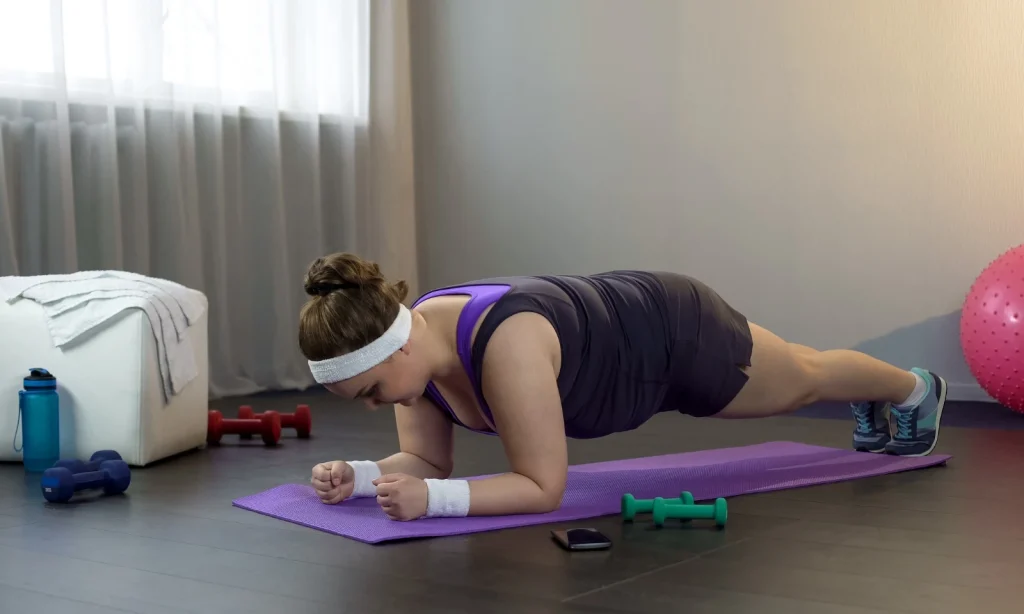
Planks activate the transverse abdominis, the deepest core muscle responsible for pulling the belly inward.
How to do it:
- Hold a straight-body plank for 20–30 seconds
- Repeat 3–4 sets
- Increase time weekly
Benefits:
Tightens the lower belly
Improves posture
Supports apron belly lifting
2. Reverse Crunches (Targets Lower Abs Safely)

Unlike normal crunches, reverse crunches focus on the area below the navel, exactly where the apron belly forms.
How to do it:
- Lie on your back, lift your legs, and curl your knees toward your chest
- Perform 12–15 reps x 3 sets
Benefits:
Strengthens lower abdominal muscles
Helps reduce the “hang” appearance
3. Leg Raises (Strong Lower Ab Toning)
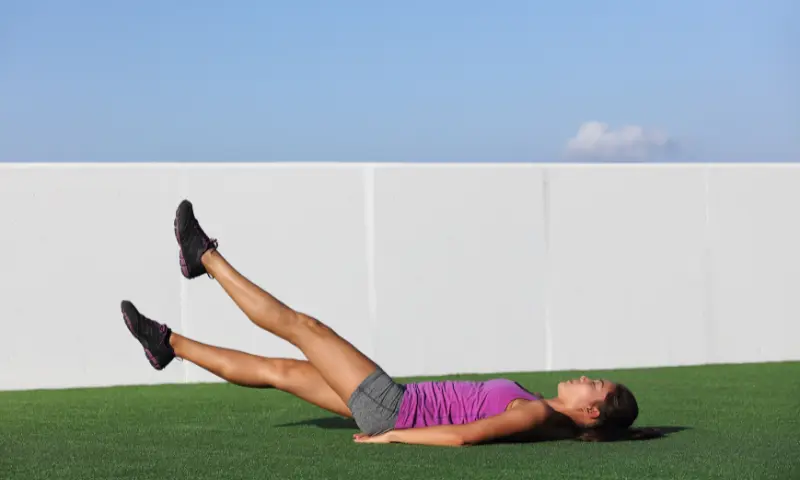
Leg raises directly target the lower abdominal wall.
How to do it:
- Lie flat, lift legs slowly up and down
- 10–12 reps x 3 sets
Benefits:
Builds core strength
Reduces pelvic tilt that makes the belly look heavier
4. Dead Bug (Safe for Beginners)
This exercise builds core stability without straining the lower back.
How to do it:
- Lie on your back, extend the opposite arm and leg
- 12 reps per side, 2–3 sets
Benefits:
Tightens core
Improves muscle balance
5. Pelvic Tilts (Reduces Lower Back Arch & Belly protrusion)
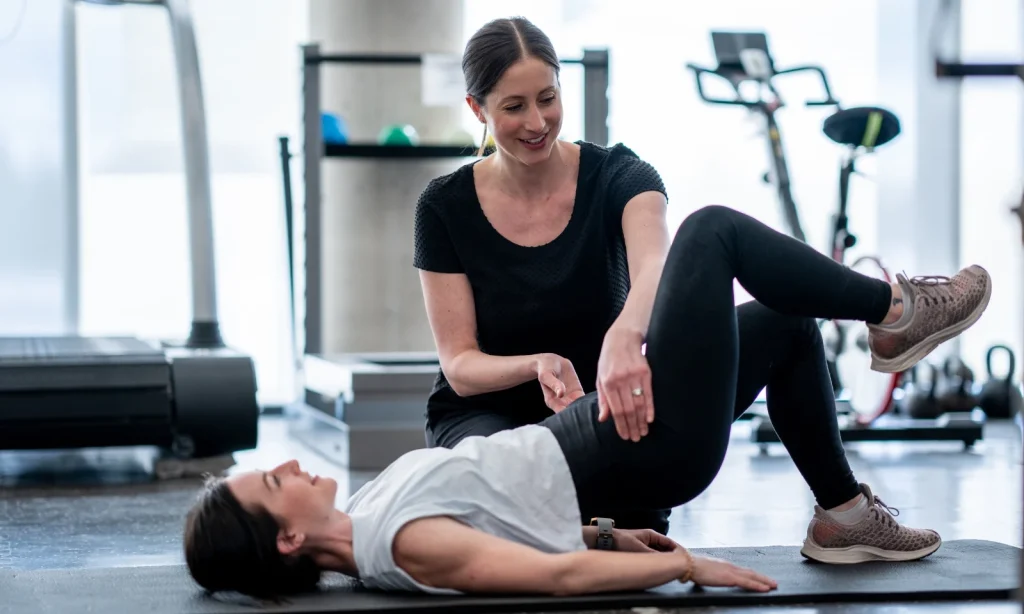
A weak pelvic floor and lower core can make the apron belly appear larger. Pelvic tilts fix this.
How to do it:
- Lie on your back, tilt your pelvis upward
- 15 reps x 3 sets
Benefits:
Engages deep abdominal muscles
Improves posture
6. Mountain Climbers (High-Calorie Burn)
A great fat-burning move that also works the lower belly.
How to do it:
- Perform 20–30 seconds
- 3–4 rounds
Benefits:
Burns fat
Tightens core
Improves stamina
7. Brisk Walking or Incline Walking (Underrated but Powerful)
Walking stabilizes hormones, reduces cortisol, and burns fat, especially belly fat.
How to do it:
- 30 minutes daily
- Add incline for faster results
Benefits:
Reduces stress fat
Helps long-term apron belly reduction
8. Cycling or Stationary Bike (Low-Impact Belly Fat Reduction)
A great option for people with joint pain.
Benefits:
Burns calories
Strengthens core and legs
Helps lift lower belly
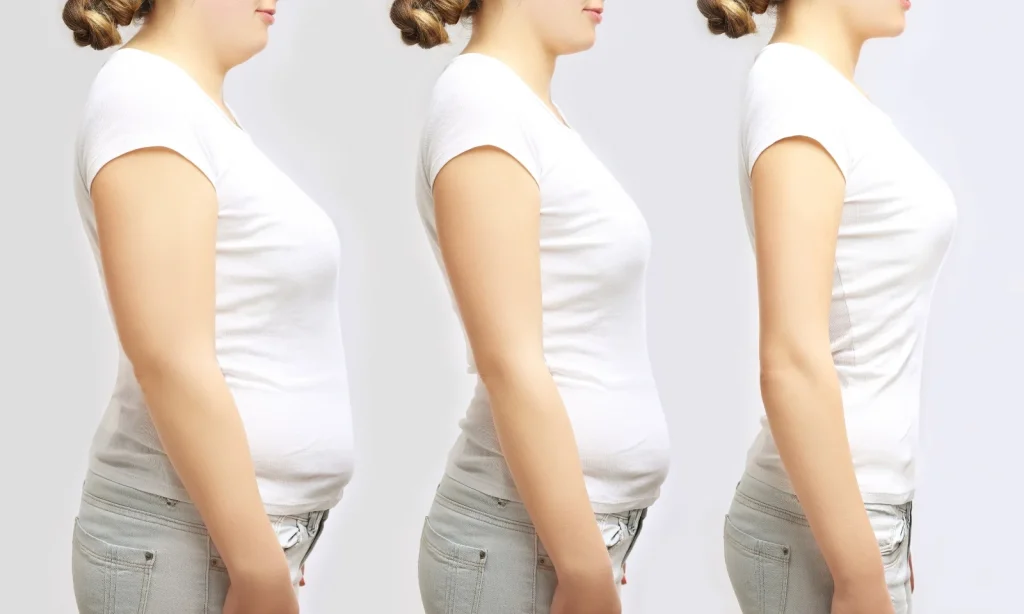
Why These Exercises Work
These movements activate deep core muscles, reduce overall body fat, and fix postural issues all of which play a major role in how the apron belly looks before and after consistent exercise.
Diet Tips That Help Reduce Apron Belly
Exercise alone cannot transform an apron belly; diet plays a bigger role in reducing lower belly fat, managing hormones, and improving before-and-after results. The right eating habits help shrink the apron overhang faster, stabilize energy, and support long-term fat loss.
Here are the best diet strategies specifically helpful for apron belly reduction:
1. Focus on High-Protein Meals
Protein keeps you full, supports muscle growth, and helps burn more calories throughout the day.
Good options:
- Eggs, Greek yogurt
- Lean chicken, turkey, fish
- Lentils, beans, tofu
Helps tighten and firm the belly through improved muscle tone.
2. Cut Back on Processed Carbs & Added Sugar
High sugar and refined carbs spike insulin, one of the primary hormones responsible for lower belly fat storage.
Avoid or limit:
- White bread, pastries
- Sugary drinks
- Candy, desserts
Reduces bloating and lowers overall belly fat.
3. Choose Fiber-Rich Foods to Reduce Bloating
Fiber improves digestion and prevents the heaviness that makes the apron belly appear larger.
Good choices:
- Oats, chia seeds
- Vegetables
- Apples, berries
Helps flatten the belly from the inside.
4. Add Healthy Fats for Hormonal Balance
Healthy fats regulate hormones like cortisol, estrogen, and insulin.
Include:
- Avocado
- Olive oil
- Nuts & seeds
- Fatty fish (salmon)
Supports fat loss and reduces inflammation.
5. Drink More Water: Hydration Reduces Belly Swelling
Dehydration leads to water retention and bloating.
Aim for 6–8 glasses a day.
Helps digestion and reduces lower belly heaviness.
6. Reduce Sodium to Prevent Lower Belly Puffiness
High sodium increases water retention, especially around the stomach.
Limit:
- Fried foods
- Canned soups
- Packaged snacks
Makes the apron fold look smaller.
7. Avoid Eating Late at Night
Late-night eating can lead to bloating, poor digestion, and fat storage.
Helps the belly look flatter in the morning.
Improves long-term weight control.
8. Try a Balanced, Sustainable Eating Pattern
Instead of extreme diets, choose a plan you can follow long-term:
- Mediterranean diet
- High-protein balanced diet
- Low-glycemic diet
- Anti-inflammatory diet
These eating styles support belly fat reduction naturally.
9. Limit Alcohol
Alcohol, especially wine and cocktails, increases abdominal fat due to its sugar content and impact on hormones.
Reducing alcohol helps reduce fat in the lower belly area.
10. Eat Smaller, More Frequent Meals If You Feel Bloated
This helps control appetite, avoid overeating, and improve digestion.
Reduces bloating-related apron belly puffiness.
Simple Apron Belly Meal Example (1-Day Plan)
Breakfast: Greek yogurt + chia seeds + berries
Lunch: Grilled chicken salad with olive oil
Snack: Almonds or an apple
Dinner: Salmon + vegetables + quinoa
Drink: Water, green tea, or lemon water
Habits That Help Improve Apron Belly
Beyond diet and exercise, your daily lifestyle habits have a major impact on how quickly the apron belly reduces and how noticeable your before-and-after results become. These habits support fat loss, hormonal balance, and overall body transformation.
Here are the most effective lifestyle changes:
1. Prioritize 7–8 Hours of Sleep
Poor sleep increases cortisol, a stress hormone strongly linked to belly fat storage especially in the lower abdomen.
Better sleep = better hormone balance + improved fat burning
Helps reduce emotional eating and cravings
2. Reduce Stress to Lower Cortisol Belly Fat
Chronic stress elevates cortisol, which causes fat to accumulate around the stomach and makes the apron belly appear heavier.
Helpful stress-reducing habits:
- Deep breathing
- Yoga or stretching
- Light walks
- Journaling
- Talking to a friend or therapist
Lower cortisol = smaller, lighter-looking apron belly
3. Avoid Long Sitting Hours
Sitting for long periods weakens abdominal muscles and causes pelvic tilt, making the belly overhang look more pronounced.
Try:
- Standing up every 45–60 minutes
- Using a standing desk
- Taking short walk breaks
Improves posture
Helps the belly look lifted
4. Stay Consistent with Daily Movement
Even small daily activities help reduce lower belly fat over time.
Examples:
- 7–10k steps
- Light morning stretch
- Taking stairs
- House cleaning
Consistency matters more than intensity
5. Limit Smoking & Alcohol
Both contribute to inflammation, hormonal imbalance, and increased fat around the stomach.
Reducing these habits speeds up the before-and-after transformation
6. Don’t Skip Meals
Skipping meals can slow metabolism and increase cravings later.
Eating balanced meals throughout the day stabilizes appetite
Supports healthy fat loss
7. Practice Good Posture

Slouching pushes the belly outward. Good posture helps the apron belly look smaller instantly.
Try:
- Keeping shoulders aligned
- Tightening the core when standing
- Avoiding slumped sitting positions
Immediate visual improvement
8. Track Your Progress Weekly
Take photos from the front and side every 7–10 days.
Shows small changes
Boosts motivation
Helps identify what’s working
Hormonal Factors That Can Make Apron Belly Worse
Hormones play a major role in how and where your body stores fat, especially in the lower abdomen. For many people, an apron belly develops or worsens due to hormonal imbalances that affect metabolism, appetite, fat distribution, and water retention. Understanding these hormones helps set realistic expectations for before-and-after results with exercise.
Here are the key hormonal factors linked to apron belly:
| Hormone / Condition | How It Affects Apron Belly | Common Symptoms to Watch For | Why It Makes Fat Loss Harder |
| Insulin Resistance (Prediabetes/Diabetes) | Causes excess fat storage around the lower abdomen | Sugar cravings, fatigue, dark patches on skin | The body stores belly fat faster and struggles to use glucose properly |
| PCOS (Polycystic Ovary Syndrome) | Raises insulin & androgen levels, leading to stubborn lower-belly fat | Irregular periods, acne, hair growth, and weight gain | Hormone imbalance slows metabolism and increases fat storage below the navel |
| High Cortisol (Stress Hormone) | Promotes fat accumulation in the stomach area | Stress, poor sleep, cravings, low energy | Chronic stress increases belly fat & delays fat burning |
| Estrogen Imbalance | Affects how and where the body stores fat (more belly fat during peri/post menopause) | Hot flashes, mood changes, irregular cycle | Reduced muscle mass & slower metabolism increase fat around the lower belly |
| Hypothyroidism (Low Thyroid Hormone) | Slows metabolism and makes fat loss difficult | Fatigue, dry skin, hair loss, weight gain | The body burns fewer calories and stores more fat |
| Ghrelin (Hunger Hormone) | Signals hunger; high levels cause overeating | Constant hunger, cravings | Increases calorie intake and fat accumulation |
| Leptin Resistance (Fullness Hormone) | The body doesn’t recognize fullness signals | Always hungry, weight plateaus | Leads to overeating and slower fat loss |
When to Consult a Doctor About Your Apron Belly
While exercise, diet, and lifestyle changes help most people improve an apron belly, sometimes the underlying cause is medical, not just weight or fitness-related. In these cases, consulting a doctor or primary care provider can make a significant difference in your results and overall health.
You should consider seeing a doctor if you experience any of the following:
Your Belly Is Growing Quickly Without Weight Gain
A rapid increase in lower belly size without changes in diet or physical activity may signal hormonal or metabolic problems.
Possible causes:
- Thyroid issues
- Insulin resistance
- High cortisol
- PCOS
A doctor can perform blood tests to identify the root cause.
You Have Symptoms of Diabetes or Blood Sugar Problems
If you notice:
- Constant thirst
- Frequent urination
- Increased hunger
- Slow healing
- Fatigue
…it’s important to get checked. Diabetes and prediabetes often cause stubborn apron belly fat that doesn’t respond to exercise alone.
You Experience Lower Abdominal Pain or Discomfort
Pain under the belly fold could mean skin irritation, infection, or inflammation especially in warmer weather or after sweating.
A doctor can recommend treatment and prevent complications.
Your Core Feels Extremely Weak After Pregnancy
If you recently had a baby and notice:
- Lower back pain
- A bulge down the midline
- Difficulty tightening your core
…it may be diastasis recti, a condition where abdominal muscles separate.
A doctor or physical therapist can guide safe exercises.
You Are Not Seeing Results After Months of Consistency
If you’re exercising, eating well, and following a healthy routine but still struggling:
A primary care doctor can check for:
- Hormone imbalances
- Vitamin deficiencies
- Inflammation
- Metabolic slowdowns
Treating these can dramatically improve your before-and-after results.
You Have Signs of High Cortisol (Stress Belly)
These include:
- Constant fatigue
- Trouble sleeping
- Unexplained weight around the lower belly
- Feeling stressed most of the day
A doctor can help you identify stress-related conditions and guide lifestyle or medication options.
You Notice Skin Issues Under the Apron Fold
Skin folds can trap sweat and moisture, leading to:
- Rashes
- Fungal infections
- Odor
- Irritation
A doctor can prescribe creams or treatments to keep the skin healthy.
We’re Here to Support You
If you live in or near East Northport, our team can help you understand what’s contributing to your apron belly and guide you with a personalized plan that fits your lifestyle, goals, and health needs.
Whether you’re dealing with hormonal issues, stubborn belly fat, or chronic medical conditions, we’re here to support your long-term wellness.