

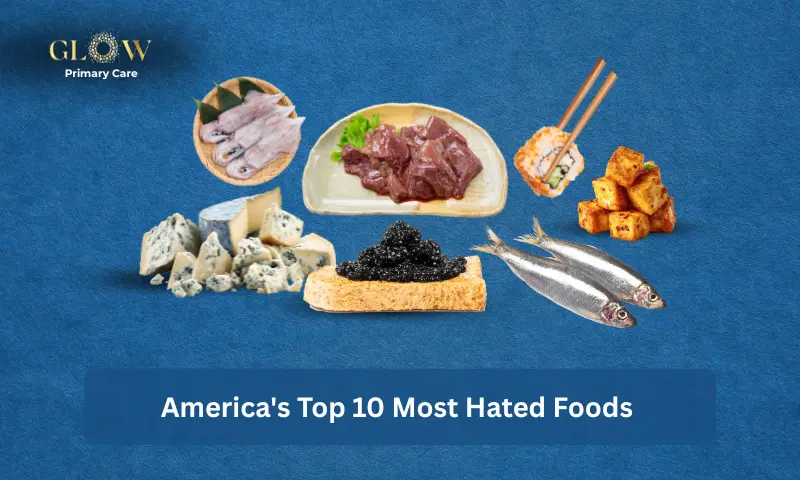
Food preferences feel personal, like a core part of who we are. But a massive YouGov survey of over 2,200 U.S. adults reveals some harsh truths: millions share the same deep aversions. Anchovies top the list as the single most disliked food in the USA, with over half of Americans saying they dislike or outright hate them. Liver isn’t far behind, earning the title of most intensely hated (40% pure “hate”).
These aren’t obscure items. They’re everyday (or occasionally) foods that trigger strong reactions. Texture, smell, unfamiliarity, childhood memories, reasons pile up. Yet some people love what others despise. Ready to see if your tastes align with (or defy) the majority? Let’s dive into the most hated foods in America, based on the freshest, most detailed data available.
America’s Top 10 Most Hated Foods
Here are the top 10 most disliked foods in the USA (combined dislike + hate percentages), with pure “hate” stats where they stand out:
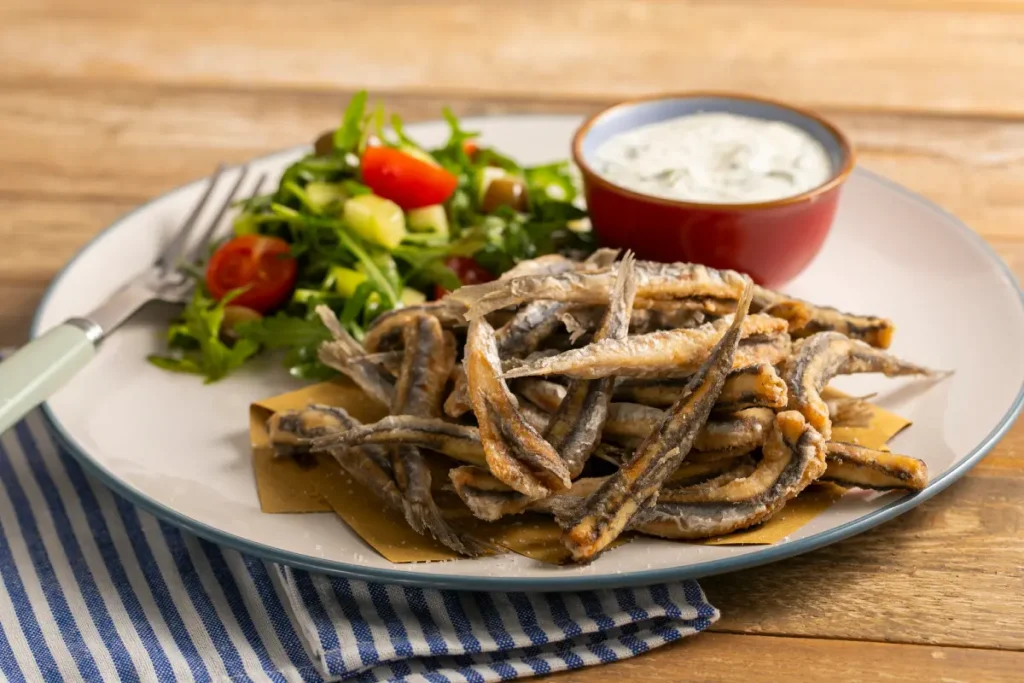
- Anchovies (56% dislike/hate) Briny, intense fishy flavor turns most people off, fine hidden in sauce, awful on top.
- Liver (54% dislike/hate, 40% pure hate) Metallic taste and dense texture make it the most intensely hated item.
- Sardines (52% dislike/hate) Whole fish look with bones and strong ocean smell = instant aversion.
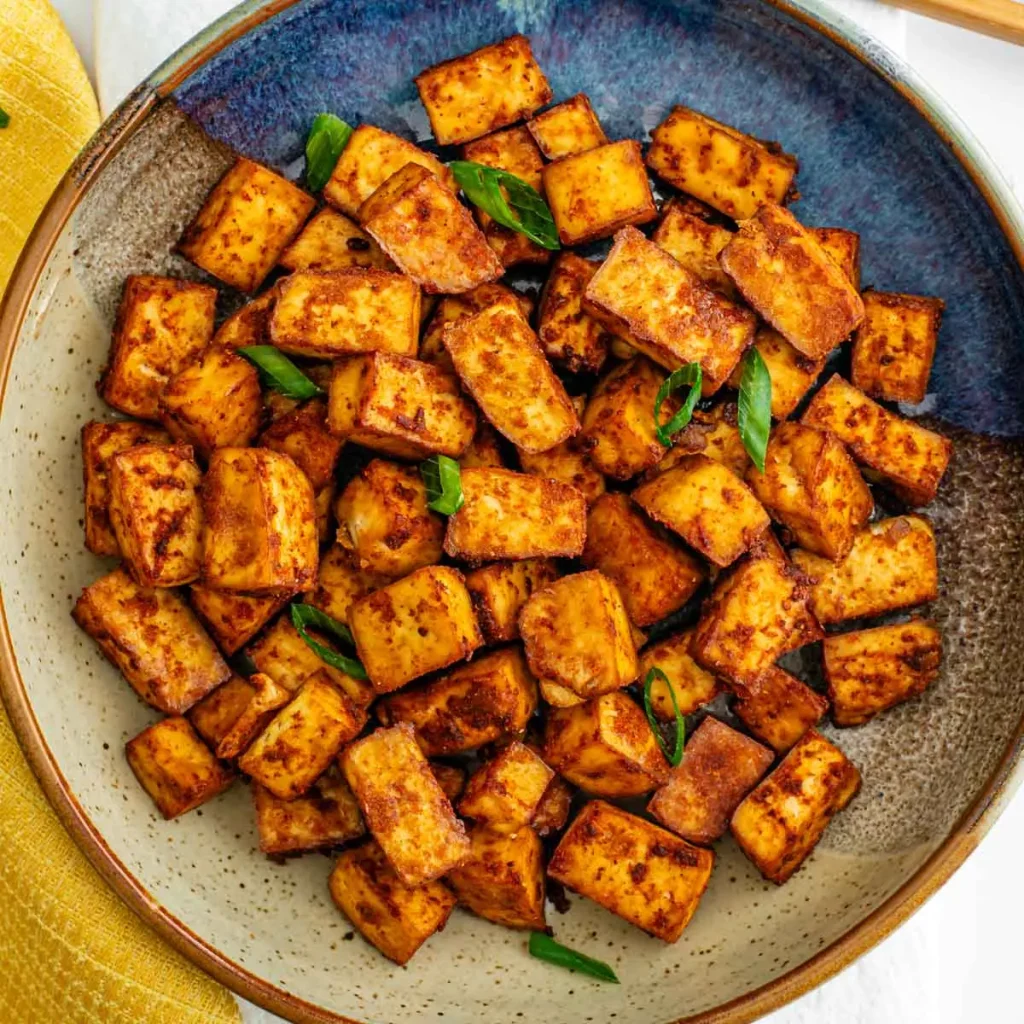
- Tofu (46% dislike/hate) Often called bland or rubbery, bad prep ruins it for many.
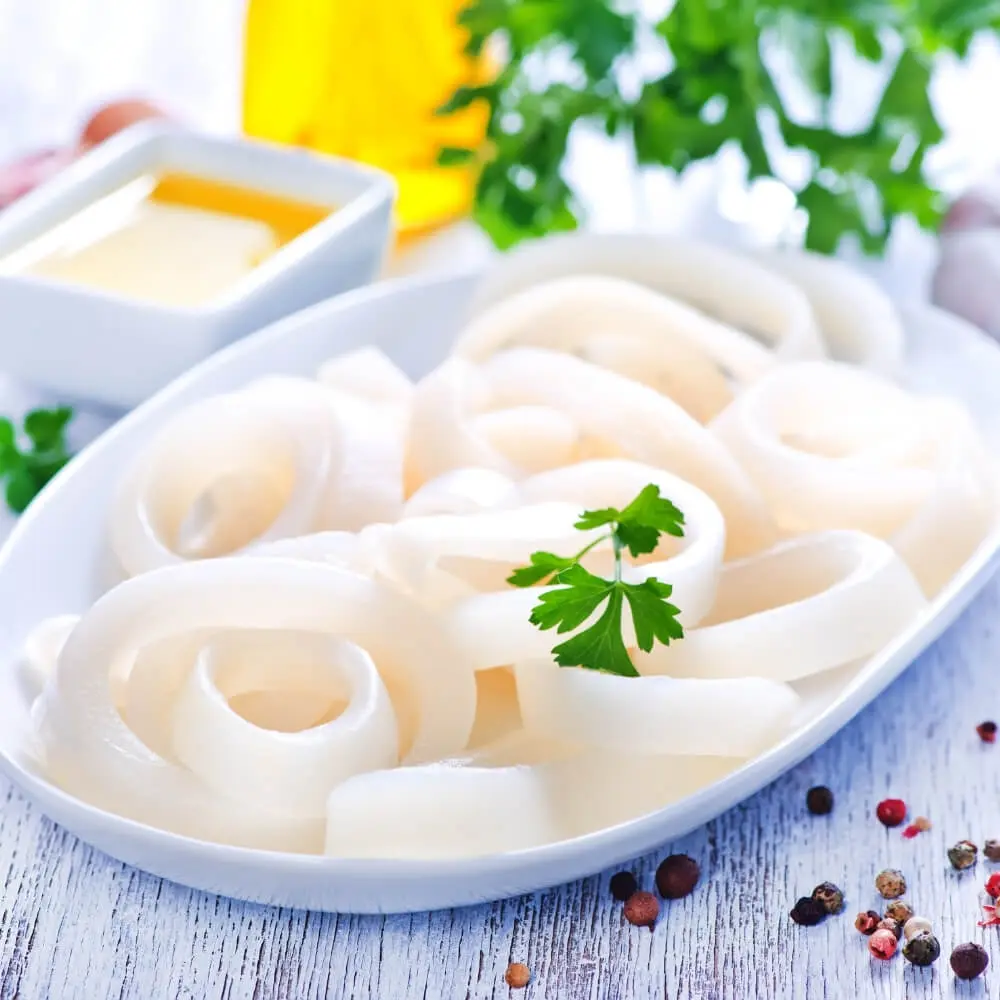
Squid (44% dislike/hate) Chewy, rubbery texture when overcooked seals the deal.
Caviar (43% dislike/hate) Salty popping fish eggs feel weird or overly fancy.
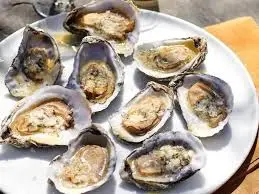
Oysters (42% dislike/hate) Slippery, raw texture grosses people out, grilling helps some.
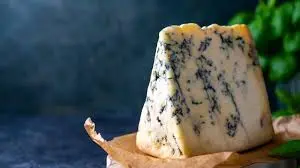
Blue Cheese (39% dislike/hate) Funky moldy smell and sharp tang look “rotten” to haters.
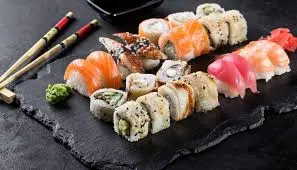
Sushi (39% dislike/hate) Raw fish and seaweed = adventure for some, nausea for others.
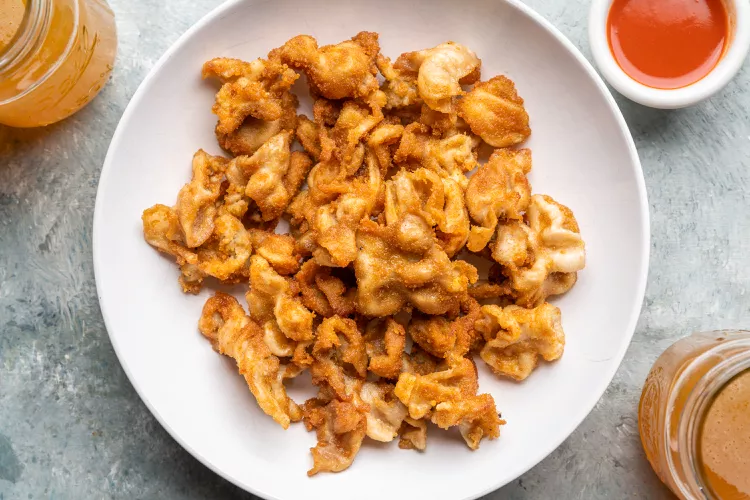
Chitterlings (38% dislike/hate) The idea of pig intestines alone is a hard pass for most.
Why Do These Foods Top the Most Hated Foods in America?
It’s rarely just “gross.” Science and experience explain a lot:
- Texture Trauma: Slimy (oysters), chewy (squid), spongy (tofu when poorly cooked), these trigger instinctive aversions.
- Strong Flavors & Smells: Bitter (beets, kale), metallic (liver), fishy (anchovies/sardines), pungent (blue cheese), overwhelm sensitive palates.
- Unfamiliarity & Culture: Exotic items like caviar or chitterlings feel alien to many. Childhood forcing (“Eat your liver!”) creates lasting hate.
- Genetics & Biology: Some aversions (like cilantro’s “soap” taste for 4-14% of people) are wired in.
- Demographic Splits: Women report higher overall dislike for these 40 foods. Younger adults (<45) hate condiments more; older folks avoid tofu/sushi. Men dislike some veggies more.
How Would You Feel Trying to Like Them Anyway?
Here’s the twist: many of the most hated foods in America are nutritional superstars. Anchovies and sardines pack omega-3s for heart health. Liver is iron-rich. Oysters deliver zinc. Tofu offers plant protein.
Tips from chefs and grill experts (like those in Girls Can Grill spins):
- Grill anchovies/sardines with oil and herbs, crispy texture changes everything.
- Marinate liver in bold spices/onions to cut metallic notes.
- Press and fry tofu for crunch.
- Bake oysters with toppings.
One brave soul ordered hated foods via Instacart just to grill them, proving prep matters.
Would you try? Or stick to your guns?
Final Thoughts:
While these aversions are common, many of these foods (like anchovies, sardines, and liver) are actually packed with heart-healthy nutrients, iron, omega-3s, and protein that support long-term wellness when prepared thoughtfully.
At Glow Primary Care, we believe true health starts with sustainable, enjoyable eating habits even when overcoming foods you “hate.” Our lifestyle and nutritional counseling services help patients create personalized plans that fit their tastes, preferences, and medical needs.