


It’s a common concern that many women experience, but the relationship between stress and periods isn’t always well understood. Whether you’ve noticed changes in your cycle, irregular periods, or increased discomfort, stress could be to blame.
In this blog, we’ll explore how stress affects your period and why it’s so important to manage stress for your overall well-being.
What Happens When Stress Delays Your Period?
Stress can trigger a wide range of physical changes, including disruptions to your menstrual cycle. When you experience stress, your body releases cortisol, the hormone responsible for your “fight or flight” response.
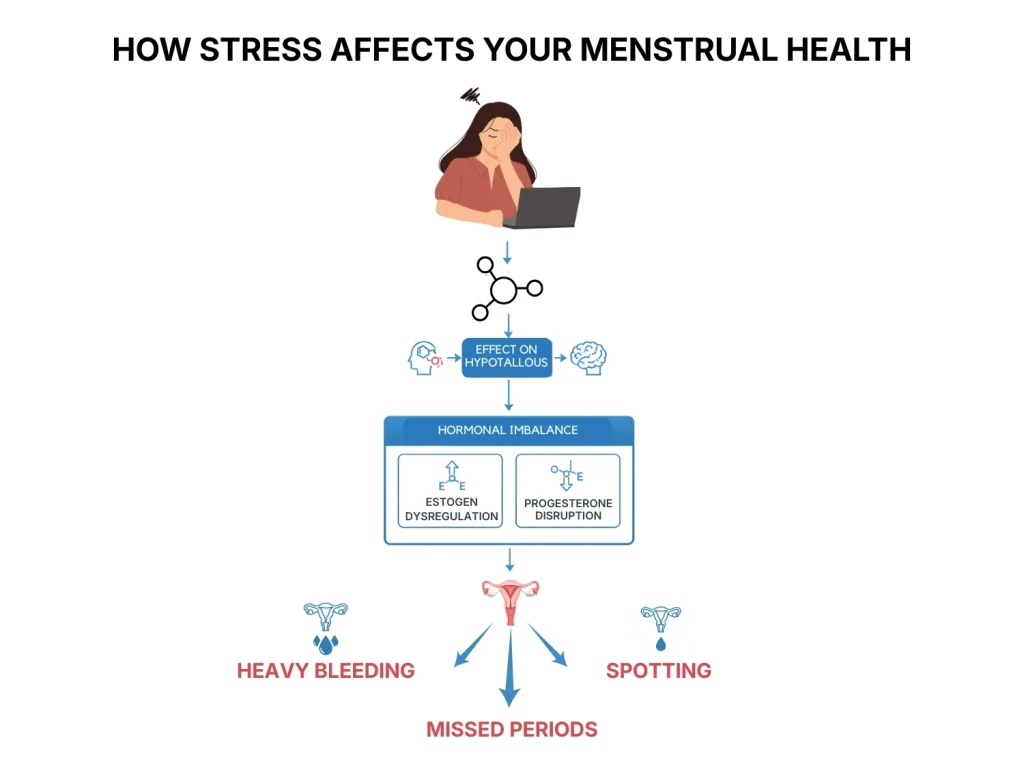
While cortisol helps manage stress in the short term, sustained high levels can interfere with critical hormones such as estrogen and progesterone, which regulate the menstrual cycle. This hormonal imbalance can lead to irregular periods, delayed cycles, or even missed periods.
Key Effects of Stress on Your Period:
- Missed or Late Periods: When you’re under extreme stress, your body may stop ovulating, resulting in a missed period or irregular cycles.
- Heavy or Painful Periods: Stress can also contribute to heavy menstrual bleeding or intensified cramps due to its impact on the hormonal balance.
- Longer or Shorter Cycles: Stress can either lengthen or shorten the time between your periods. You might find yourself having more frequent periods or longer cycles due to hormonal imbalances.
How Stress Can Lead to Heavy Periods
Stress doesn’t just affect the timing of your period; it can also intensify your flow. The inflammatory response triggered by stress can increase the production of prostaglandins, the chemicals that help your uterus contract during menstruation.
Elevated prostaglandins can lead to more intense uterine contractions, causing severe cramps and potentially heavier menstrual bleeding. This stress-induced hormonal imbalance is why some women experience abnormally heavy or prolonged periods during times of heightened stress.
How Late Can Your Period Be Due to Stress?
It’s normal for your menstrual cycle to vary a bit. Most people have cycles anywhere from 21 to 35 days, and a period is generally considered late when it’s five days or more past your expected start date.
When your body experiences high levels of stress, it triggers a rise in cortisol, the “stress hormone.” This can interfere with the part of your brain that regulates reproductive hormones, causing delayed ovulation or even temporarily stopping ovulation entirely. When ovulation is delayed, your period will naturally arrive later.
The length of the delay depends on several factors, such as:
• How severe the stress is – Mild or short‑term stress may only delay your period by a few days.
• How long you’ve been under stress – Prolonged stress can cause your period to be late by weeks.
• Individual physiology – Everyone’s hormonal system reacts differently, so some may see longer delays than others.
In most cases, once the stressor is removed and cortisol levels return to normal, your cycle typically returns within a cycle or two. However, if stress is ongoing and severe, it can lead to periods being consistently late, very irregular, or even skipped entirely for several months.
If your period remains late for more than a few weeks, especially after stressful events, or if this becomes a pattern, it’s a good idea to speak with a healthcare provider to rule out other causes and get personalised guidance.
Can Stress Cause Spotting?
Yes, stress can cause spotting or light bleeding that occurs outside of your regular menstrual period. Stress triggers the release of cortisol, the body’s primary stress hormone, which can disrupt the balance of estrogen and progesterone, hormones that regulate the menstrual cycle. This hormonal imbalance can lead to irregular ovulation and spotting between periods.
Although spotting due to stress is often harmless, it’s important to monitor if it becomes frequent or is accompanied by other symptoms such as severe pain or heavier bleeding. Persistent spotting may indicate underlying issues like hormonal imbalances, PCOS, or endometriosis, and should be discussed with a healthcare provider.
Managing stress through exercise, mindfulness, and adequate sleep can help regulate your menstrual cycle and reduce the likelihood of spotting.
Practical Steps to Manage Stress and Restore Your Period
Understanding the link between stress and your menstrual cycle is crucial, but what steps can you take to manage stress and restore balance to your hormones? Here are expert-backed strategies you can implement to help reduce stress, regulate your cycle, and improve your overall health.
Mindfulness meditation is a proven way to lower cortisol levels, the hormone responsible for the stress response. By practising mindfulness, you train your brain to focus on the present moment, reducing the emotional and physical impact of stress on your body.
How to Get Started with Mindfulness:
- Set aside 10-15 minutes daily to sit quietly and focus on your breathing.
- Use guided apps like Headspace or Calm to assist with your practice.
- Focus on deep breathing to activate your body’s parasympathetic nervous system, which helps reduce stress and promote relaxation.
Exercise
Regular physical activity is one of the most effective ways to combat stress. Exercise not only reduces cortisol but also releases endorphins, the body’s natural mood-boosters. Even moderate exercise, such as yoga, walking, or swimming, can help restore hormonal balance and alleviate the menstrual problems associated with stress.
Exercise Tips for Hormonal Balance:
- Aim for 30 minutes of moderate exercise, at least 3-4 times a week.
- Yoga combines physical movement and deep breathing, reducing tension and improving flexibility.
- Strength training can help regulate hormones over time, boosting metabolism and improving overall well-being.
Nutrition
Your diet plays an important role in managing stress and supporting hormone production. Certain foods can help reduce inflammation, regulate blood sugar, and restore hormonal balance, all of which can benefit your menstrual health.
Foods That Help Manage Stress:
- Omega-3 Fatty Acids: Found in salmon, chia seeds, and walnuts, omega-3s help reduce inflammation and support hormone production.
- Magnesium-Rich Foods: Magnesium can help regulate your body’s stress response. Eat foods like dark leafy greens, avocados, and pumpkin seeds to boost your intake.
- Complex Carbs: Whole grains like quinoa and brown rice stabilise blood sugar levels, which helps reduce stress-induced mood swings.
Sleep
Quality sleep is vital for stress management and hormonal balance. Poor sleep increases cortisol levels and disrupts your period. Aim for 7-8 hours of sleep every night to help your body recover from daily stress.
Sleep Tips:
- Create a relaxing bedtime routine, like reading or meditating before bed.
- Limit screen time before sleep to help your body wind down naturally.
- Avoid heavy meals and caffeine late in the day to improve sleep quality.
When Should You See a Doctor About Stress and Your Period?
While occasional stress is a part of life, chronic stress that affects your menstrual cycle should not be ignored. If you experience consistent irregularities, missed periods, or heavy bleeding, it’s important to consult with a healthcare professional.
Conclusion
Stress doesn’t have to control your life or your menstrual cycle. By taking steps to manage stress and seeking support from professionals, you can maintain a healthy menstrual cycle. At Glow Primary Care, we understand the connection between stress and women’s health, and we’re here to help you navigate this challenge.