

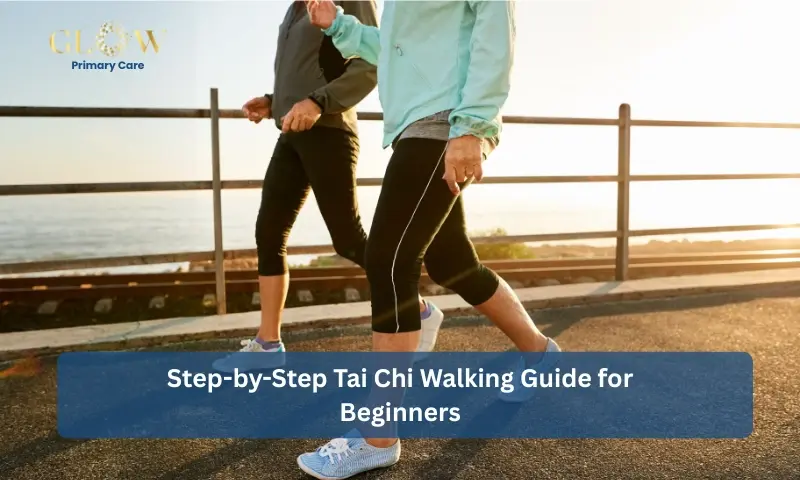
Tai Chi walking offers beginners a unique way to connect mind and body without needing prior experience. Many wonder if it’s effective for weight management or overall health. Research shows that even short daily sessions can bring noticeable benefits over time.
This guide explains how it supports weight loss, enhances mental well-being, improves balance, and provides tips for safe, effective practice. Whether your goal is relaxation, fitness, or mindful movement, you’ll start confidently.
Why Tai Chi Walking is Great for Beginners
Tai Chi walking is ideal for beginners because it’s gentle, low-impact, and easy to learn. Unlike running or high-intensity workouts, it avoids straining joints, making it suitable for adults of all ages, including seniors or those recovering from injuries.
A key benefit is the mind-body connection. Slow, deliberate movements with controlled breathing help beginners improve balance, posture, and coordination without overwhelm. This mindful approach reduces stress, promotes mental clarity, and benefits both mind and body.
Tai Chi walking also supports weight management by engaging muscles in the legs, core, and back. It emphasizes consistency over intensity, helping beginners maintain long-term habits.
No prior Tai Chi experience is needed. Anyone can start and build confidence and skill gradually.
Step-by-Step Guide to Tai Chi Walking
Starting Tai Chi walking is simple for complete beginners. Focus on slow, controlled movements, proper posture, and breath-coordinated steps. Follow these steps safely and effectively.
Prepare Your Space and Body
Choose a quiet, open space where you can walk without obstacles. Wear comfortable shoes and clothing that allows freedom of movement. Stand tall, relax your shoulders, and take a few deep breaths to center yourself.
Adopt the Basic Stance
Begin with your feet shoulder-width apart. Keep your knees slightly bent, your spine straight, and your chin parallel to the floor. Relax your arms at your sides and focus on your breathing, inhaling deeply through the nose and exhaling slowly through the mouth.
Take Slow, Mindful Steps
Step forward gently with your right foot, rolling from heel to toe. Follow with your left foot, maintaining a smooth and continuous motion. Move at a pace that feels comfortable, keeping your weight evenly balanced. Pay attention to how your body feels with each step.
Add Gentle Arm Movements
Once you feel steady, incorporate slow arm movements. Let your arms float naturally at your sides or move them forward and back in sync with your steps. This engages your upper body and helps with balance.
Focus on Breath and Awareness
Coordinate each step with your breath. Inhale as you step forward, exhale as you shift weight. Keep your mind focused on the present moment, noticing how your body moves and how your muscles engage.
Ending the Session
Finish your session by standing still with your feet shoulder-width apart. Take a few deep breaths, relax your shoulders, and reflect briefly on how your body feels. Even short sessions of 10–20 minutes can be highly beneficial for beginners.
Practicing regularly helps improve coordination, balance, and strength. Remember, Tai Chi walking is about consistency, not intensity, so take your time and enjoy each step.
Can Tai Chi Walking Help With Weight Loss?
Beginners often ask if Tai Chi walking aids weight loss. Yes, in a gentle, sustainable way. This low-impact exercise engages legs, core, and back muscles, burning calories while building strength and endurance.
For areas like the belly, it tones muscles, improves posture, and reduces waist circumference over time, especially when paired with healthy eating. It’s not as intense as running, but consistency drives long-term weight management.
Combining it with balanced nutrition and other activities maximizes results. Short daily 10–20 minute sessions lead to gradual fitness and body composition improvements.
Additional Benefits of Practicing Daily
What happens with daily Tai Chi practice? It delivers broad physical, mental, and emotional benefits. Regular sessions improve balance, flexibility, coordination, and mobility while lowering fall risk.

Daily practice supports mental health by reducing stress, promoting relaxation, boosting focus, and enhancing mindfulness. This mind-body connection fosters calm, better sleep, and higher daily energy.
Though gentle, it strengthens legs, core, and back muscles over time. Compared to regular walking, mindful breathing and coordination add holistic mental and physical advantages.
Tips for Beginners to Get Started
Tai Chi walking is simple, but tips ensure consistency and maximum benefits:
- Start with 10–20 minute sessions
- Increase duration gradually as comfortable
- Prioritize slow, mindful movements and deep breathing over speed or distance
Practice daily or several times weekly. Maintain posture, relax your shoulders, and enjoy the steps. Track progress in balance, flexibility, and mood for motivation.
Even small, regular sessions yield meaningful physical and mental gains.
Conclusion:
Ready to start your journey with Tai Chi walking and experience its full benefits for mind and body? Book a consultation with Glow Primary Care today to receive personalized guidance and support tailored to your wellness goals. Whether you want to improve balance, manage stress, or enhance your overall health, our experts are here to help you take the first step.