


An itchy belly button is more than just annoying. It can be a sign that something is out of balance, from a simple skin reaction to a bacterial or fungal infection that needs prescription treatment.
If you have been searching for “why does my belly button itch” or “itchy belly button meaning,” you are not alone. This is one of the most common complaints we hear at Glow Primary Care in East Northport.
The good news? Most causes are treatable. The key is knowing whether your itchy navel needs home care or a visit to a primary care doctor.
Itchy Belly Button Meaning: What Your Symptoms Are Telling You
Not all itchy belly buttons are the same. The itchy belly button’s meaning changes depending on what else you see or feel.
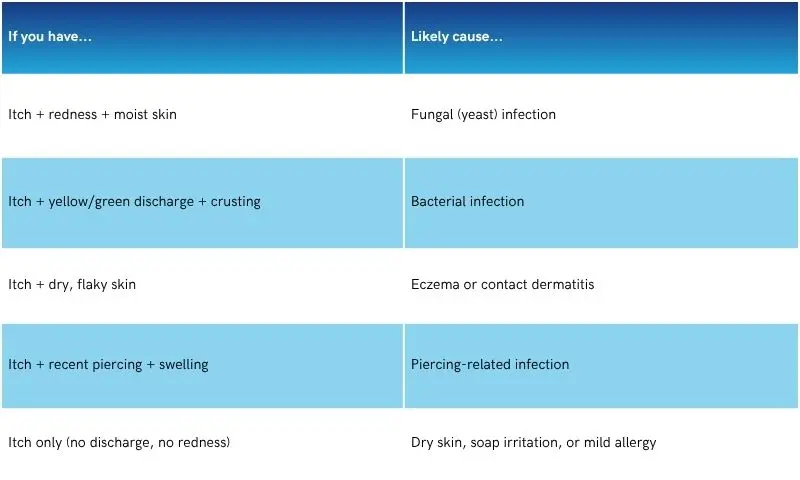
Let’s break down each cause so you can answer “why is my belly button itchy” for your specific situation.
6 Reasons Why My Belly Button Is Itchy
1. Fungal (Yeast) Infection
If you are asking, “Why is my belly button itchy and red?” yeast is the most likely answer. A belly button yeast infection (candidiasis) thrives in warm, moist environments.
Signs of a fungal itchy belly button:
- Bright red rash in the navel folds
- White, cottage-cheese-like discharge
- Moist, peeling skin
- Intense itching that may burn
Who is at higher risk:
- People with diabetes (high blood sugar feeds yeast)
- Those who sweat heavily
- Individuals with a deep “innie” belly button
- Recent antibiotic use
When home treatment fails: If the itch returns after stopping the cream or you have diabetes, you may need prescription oral fluconazole. Learn about prescription options for belly button infections →
2. Bacterial Infection
A bacterial infection causes a different type of itchy belly button. Bacteria such as Staphylococcus and Streptococcus overgrow when lint, sweat, and dead skin accumulate in the navel.
Signs of a bacterial itchy belly button:
- Yellow, green, or brown discharge
- Crusting around the navel
- Foul or musty odor (unlike yeast, which is usually odorless)
- Swelling and tenderness
Why this matters for treatment: Antibiotics work for bacteria. Antifungals do nothing. Using the wrong cream delays healing.
Home care: Clean with mild soap and water. Dry thoroughly. Do NOT use alcohol or hydrogen peroxide (they kill good bacteria and delay healing).
Prescription treatment: Topical antibiotic ointment or oral antibiotics (penicillin, cephalexin) for deeper infections. Same-day bacterial infection treatment available →
3. Contact Dermatitis
Sometimes the answer to “why does my belly button itch” is simple: your soap, laundry detergent, or body wash is irritating your skin.
Common irritants:
- Harsh antibacterial soaps
- Fragranced lotions
- New body washes
- Fabric softener on towels
Signs: Itchy, red, possibly dry or blistering skin. No discharge. No odor.
4. Eczema (Atopic Dermatitis) in the Navel
Eczema can affect any skin fold, including your belly button.
Signs: Dry, scaly, intensely itchy skin. May crack or bleed if scratched.
Treatment: Gentle moisturizer (for outie belly buttons only, do NOT moisturize deep innies). Prescription steroid cream for flares.
5. Infected Belly Button Piercing
A new or old piercing can cause an itchy navel.
Signs of piercing infection:
- Itching + redness around the jewelry site
- Yellow or green discharge from the piercing hole
- Pain with movement
Do NOT remove the jewelry if infected; the hole can close and trap the infection.
6. Poor Hygiene or Deep Belly Button Shape
Some people have a naturally deep, narrow navel that traps moisture and debris no matter how carefully they clean.
Signs: Mild intermittent itch. Possible smell. No discharge or rash.
Solution: Clean daily with a cotton swab dipped in salt water (1 tsp salt in 1 cup warm water). Dry with a corner of a towel or a hair dryer on cool.
How to Treat an Itchy Belly Button at Home (Safely)
If you are looking for how to treat an itchy belly button without a doctor visit first, follow this protocol for 3-5 days:

What NOT to do:
- Do not use rubbing alcohol (burns, delays healing)
- Do not use hydrogen peroxide (damages healthy tissue)
- Do not apply petroleum jelly (traps moisture)
- Do not scratch (introduces more bacteria)
How to Treat a Red Itchy Belly Button That Won’t Go Away
A red, itchy belly button that persists beyond 5-7 days of home care needs medical evaluation. Persistent redness often means:
- The infection is deeper than OTC creams can reach
- You need a prescription for an antifungal or antibiotic
- You have an underlying condition (diabetes, immunosuppression) that requires management
At Glow Primary Care, we treat red itchy belly button with:
- Prescription topical antibiotics for bacterial infections
- Oral fluconazole for stubborn yeast infections
- Referral for abscess drainage if a pocket of infection has formed
Preventing Future Itchy Belly Button Episodes
Once your itchy navel has healed, prevent recurrence with these habits:
- Dry after every shower, use a cotton swab for deep innies
- Clean weekly with salt water if you have a deep navel
- Wear breathable cotton fabrics in hot weather
- Manage blood sugar if you have diabetes (yeast loves sugar)
- Change out of sweaty clothes promptly after exercise
FAQs:
Why does my belly button itch inside, but no rash?
Likely dry skin, soap irritation, or early contact dermatitis. Try hydrocortisone cream for 3 days. If no improvement, see a doctor.
Can a belly button yeast infection heal on its own?
Sometimes, if you keep the area very dry. But yeast often returns. Antifungal cream speeds healing and prevents recurrence.
Why is my belly button itchy after surgery?
Healing skin can itch normally. But if you see redness, swelling, or discharge, you may have a surgical site infection.
Is an itchy belly button a sign of diabetes?
Not always. But recurrent yeast infections in the navel can be a clue to undiagnosed or poorly controlled diabetes. We can check your A1c at your visit.
Medical Disclaimer: This content is for informational purposes only and does not constitute medical advice. Always consult a qualified healthcare provider for diagnosis and treatment of any medical condition.