


Kidney stones. Trigeminal neuralgia. These are not just painful; they are among the most unbearable conditions known to medicine. If you or someone you love is suffering from severe pain, you need answers now.
At Glow Primary Care in East Northport, NY, our board-certified physicians diagnose and treat these conditions every day.
In this guide, we list the top 9 worst pains in the world, explain their symptoms, and tell you exactly when to seek emergency care.
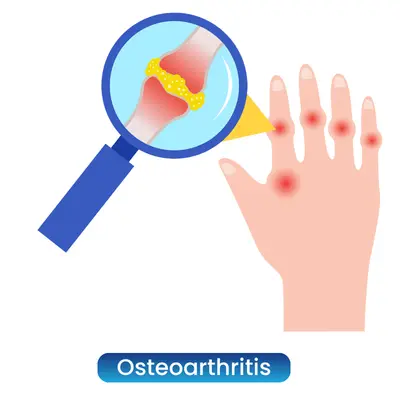
1. Osteoarthritis
Osteoarthritis is a degenerative joint disease where cartilage wears down over time.
How the pain feels:
- Deep, aching pain in the knees, hips, or hands
- Stiffness after waking up or sitting for long periods
- Pain that worsens with activity and improves with rest
See a provider if joint pain interferes with daily activities, such as walking or climbing stairs.
2. Fibromyalgia
Fibromyalgia is a disorder that causes widespread musculoskeletal pain throughout the body.
How the pain feels:
- Constant, deep aching in muscles
- Pain that moves to different areas of the body
- Extreme tiredness even after sleeping
See a provider if you have widespread pain lasting more than three months with no clear injury.
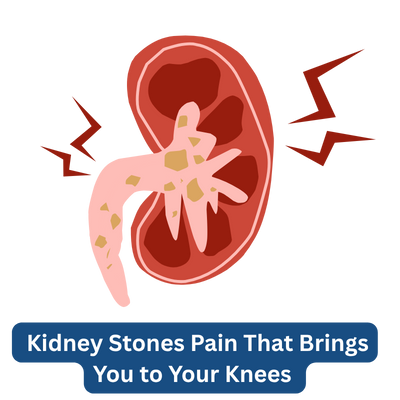
3. Kidney Stones Pain That Brings You to Your Knees
Kidney stones are hard mineral deposits that form inside the kidneys. When these stones move into the urinary tract, they can block the flow of urine, creating one of the sharpest and most unforgettable pains a person can experience.
How the Pain Feels
- Sudden, severe pain in the lower back, side, or abdomen
- Pain that comes in waves, peaking in intensity as the stone moves
- Often accompanied by nausea, vomiting, or sweating
Blood in the urine or a frequent urge to urinate
Why It Hurts So Much
The ureter, a narrow tube between the kidney and bladder, is extremely sensitive. When a stone blocks or scrapes it, pressure builds, causing sharp, shifting pain as the stone moves.
4. Chronic Back Pain
Chronic back pain is persistent pain in the lower or upper back that lasts more than 12 weeks.
How the pain feels:
- Dull, aching pain that never fully goes away
- Sharp or shooting pain with certain movements
- Stiffness that makes bending or twisting difficult
When to see a doctor:
Seek immediate care if you have back pain with fever, numbness, or trouble controlling your bladder or bowels.
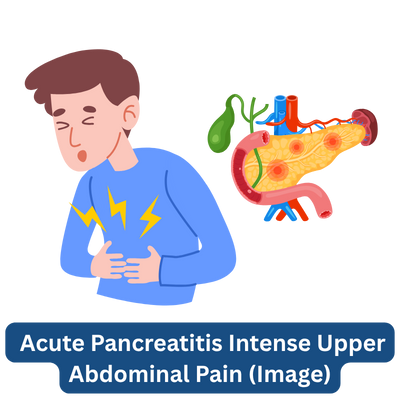
5. Acute Pancreatitis Intense Upper Abdominal Pain
Acute pancreatitis is sudden inflammation of the pancreas, the gland that aids digestion and controls blood sugar. When inflamed, its enzymes attack the organ itself, causing intense abdominal pain and swelling.
How the Pain Feels
- Sharp, constant pain in the upper abdomen that often radiates to the back
- Pain may worsen after eating, especially fatty meals
- Often accompanied by nausea, vomiting, or abdominal tenderness
- In severe cases, breathing deeply or lying flat can intensify discomfort
Why It Hurts So Much
The pancreas sits deep in the abdomen near many sensitive nerves and organs. When it becomes inflamed, the resulting pressure and enzyme irritation trigger intense internal pain that can last for hours or days.
Common Causes
Gallstones blocking the pancreatic duct, heavy alcohol use, high triglyceride levels, certain medications, or abdominal injuries can trigger inflammation of the pancreas. These factors disrupt enzyme flow, causing irritation, swelling, and severe abdominal pain known as pancreatitis.
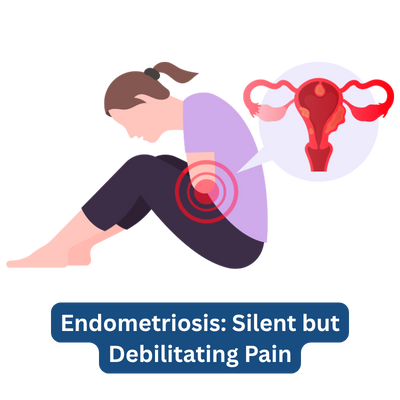
6. Endometriosis: Silent but Debilitating Pain
Endometriosis is a chronic condition where tissue similar to the uterine lining grows outside the uterus, often on the ovaries, fallopian tubes, or other pelvic organs.
This misplaced tissue reacts to hormonal changes just like the uterine lining does, leading to inflammation, internal scarring, and severe pain.
How the Pain Feels
- Cramping and stabbing pelvic pain, especially during menstrual periods
- Pain that may spread to the lower back or thighs
- Pain during intercourse, urination, or bowel movements
- Fatigue, bloating, or digestive discomfort during flare-ups
For many women, the pain is so intense that it disrupts work, sleep, and daily life. Because symptoms can overlap with other conditions, diagnosis often takes years.
Why It’s Called a “Silent” Pain
Endometriosis is sometimes called a “silent” condition because its symptoms are often dismissed as normal menstrual pain.
However, persistent or worsening pelvic pain deserves medical attention. Early diagnosis can prevent complications and improve quality of life.
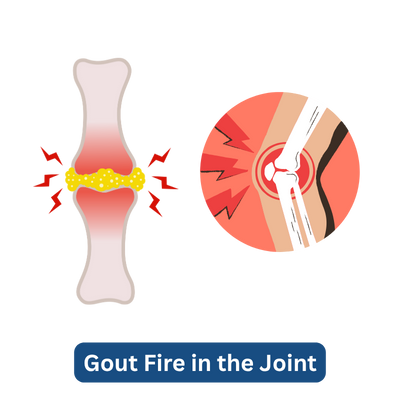
7. Gout Fire in the Joint
Gout is a form of arthritis caused by the buildup of uric acid crystals in the joints. When these needle-like crystals accumulate, they trigger sudden, severe inflammation and pain, often starting at night and reaching peak intensity within hours.
How the Pain Feels
- Sharp, throbbing pain in a single joint, usually the big toe, ankle, or knee
- The affected area becomes swollen, red, and extremely tender
- Even light contact, such as a bedsheet, can cause intense discomfort
- Attacks may last for several days and can return without warning
Common Risk Factors
Diets high in red meat, seafood, or sugary drinks, along with alcohol use—especially beer, can raise uric acid levels. Obesity, dehydration, kidney issues, and certain medications like diuretics further increase the risk of gout and painful joint inflammation.
8. Sciatica Pain Shooting Down the Leg
Sciatica is a type of nerve pain caused by irritation or compression of the sciatic nerve, the longest nerve in the body, running from the lower back down to the legs. When this nerve is pinched, it can lead to sharp, radiating pain that follows the nerve’s path.
How the Pain Feels
- Burning, stabbing, or electric-like pain starting in the lower back or buttocks
- Pain that radiates down one leg, sometimes reaching the calf or foot
- May cause numbness, tingling, or muscle weakness in the affected leg
- Pain worsens when sitting, coughing, or standing for long periods

Common Causes
A herniated or slipped disc, spinal stenosis, or tight lower back and buttock muscles can compress nerves and cause pain. Injury or poor posture over time often worsens these issues, leading to chronic lower back discomfort or sciatica.
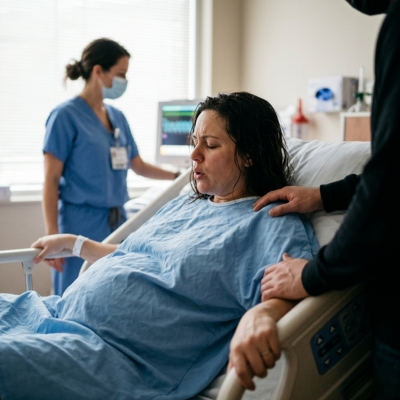
9. ChildBirth
Back labor is when labor pain hits hard in the lower back, often because of how the baby is positioned. For some moms, this intense back pain becomes the most unforgettable part of childbirth.
The pain spikes during contractions and sticks around in between, making it even tougher to push through.
How the Pain Feels
- It’s not just a sore muscle. It feels like someone is pressing a heavy weight or a bowling ball into your lower back.
- The pain gets much worse during a contraction, but unlike regular labor pain, a dull ache stays even in between contractions.
- Changing positions or getting a back rub might not help much. The pain often feels “inside” and unshakable.
Who Is at Risk
- First-time moms
- Women with a tilted uterus or a narrow pelvic shape may be at higher risk, though it can happen to anyone
Conclusion
Pain is your body’s warning system. The 9 conditions above are among the most unbearable known to medicine. Most of these conditions will not go away on their own. Early diagnosis leads to better outcomes.
If you are experiencing severe or persistent pain, do not wait.
We can help you manage your pain.
At Glow Primary Care in East Northport, we offer:
- Same-day appointments
- In-house labs for rapid diagnosis
- Board-certified internal medicine physicians
- Most major insurance is accepted
📍 Visit us: 3027 Jericho Turnpike, East Northport, NY 11731
💻 Book online: Contact us to schedule your visit
For chronic pain conditions like osteoarthritis or fibromyalgia, learn about our Chronic Care Management program.
Sources
Disclaimer:
The content provided on this page is for informational purposes only and does not constitute medical advice, diagnosis, or treatment. It is not intended to replace consultation with a qualified healthcare professional.